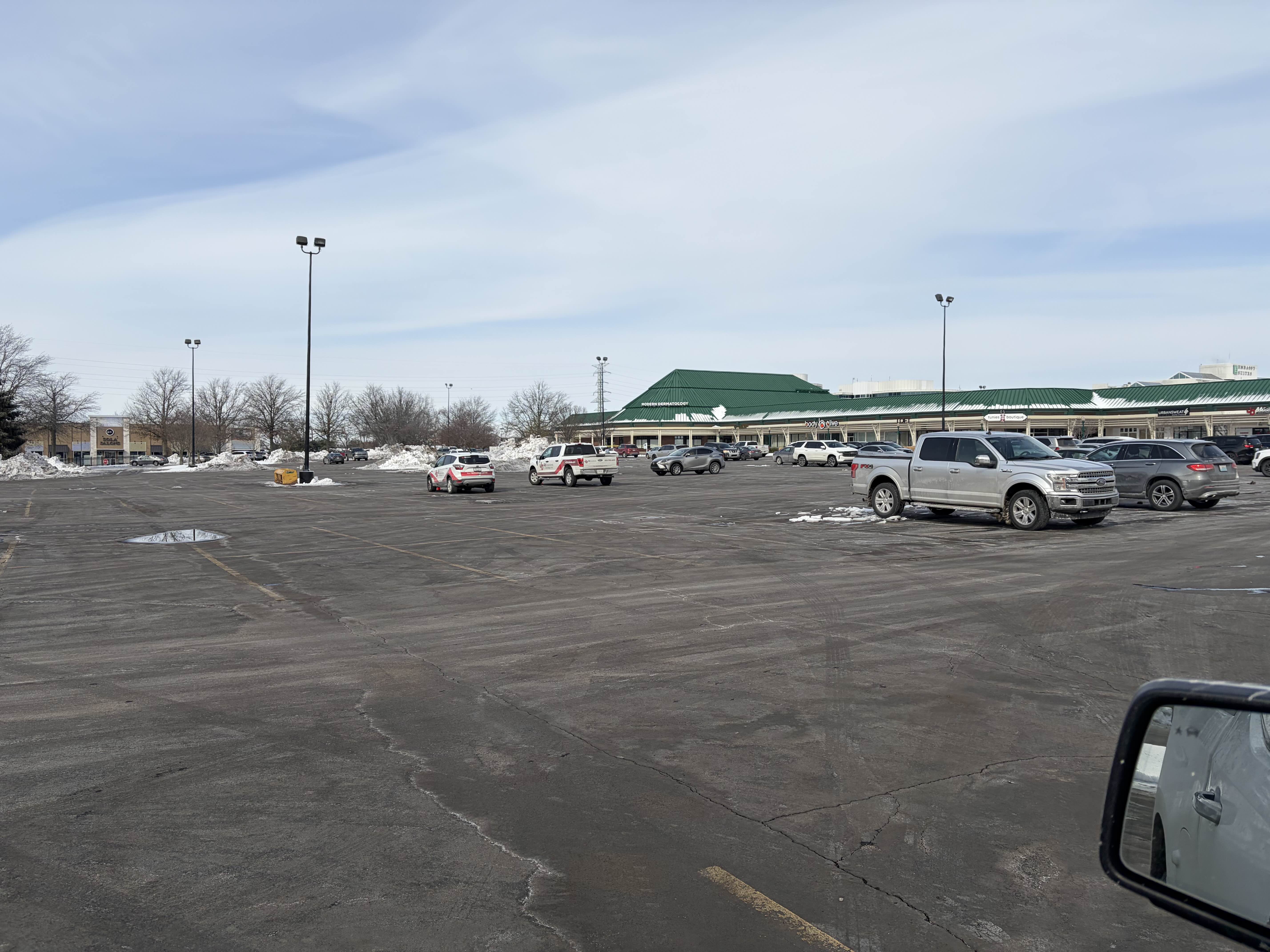
Mid-Winter Landscape Health Check for Commercial Sites in Central Kentucky
By the time January and February roll around in Central Kentucky, your property has already been through a lot. Snow events, freeze-thaw cycles, salt applications, and constant foot traffic all quietly take a toll. The challenge is that most of that damage is not obvious yet. It is building beneath the surface.
A mid-winter landscape check is less about appearance and more about awareness. It gives you a chance to see how your property is holding up before spring exposes every issue at once. For commercial sites, that early insight can mean the difference between a smooth transition into the season or a list of expensive surprises.
Why Mid-Winter Inspections Matter for Lexington Commercial Properties
Lexington winters are unpredictable. One week may bring freezing rain and snow, while the next hits 50 degrees and starts a rapid thaw. That constant shift creates movement in soil, stress on plant material, and expansion in hard surfaces.
Research from the University of Kentucky Cooperative Extension shows how freeze-thaw cycles weaken root systems and soil structure even when turf looks dormant. You can explore their guidance here: https://uky.edu/hort
This is why waiting until spring often leads to larger, more expensive problems. A mid-winter inspection keeps you ahead of it.
Turf Conditions: What to Look for Before Spring Growth
Dormant grass tells a story if you know how to read it. Mid-winter is one of the best times to identify problem areas because growth is not hiding anything.
Key signs to watch for include:
• Salt damage along sidewalks and parking lots
• Compacted areas from foot traffic or snow piles
• Discoloration or thinning turf zones
• Water pooling after snow melts
Salt is one of the biggest issues for commercial landscapes in Lexington. While it improves safety, overuse can break down soil and damage turf roots over time. The city provides helpful guidance on proper snow and ice control here: https://www.lexingtonky.gov
If you are seeing these patterns, it is a strong signal that your property may need early-season correction. Services like our Commercial Landscaping in Lexington KY can help restore turf health before peak growing season.
Trees and Shrubs: Hidden Winter Risks
Without leaves, it becomes much easier to spot structural issues in trees and shrubs. This is the time to focus on safety and long-term stability.
Look closely for:
• Hanging or cracked branches over walkways
• Limbs extending over parking areas
• Trees leaning or shifting in soft ground
• Split trunks or visible stress points
These are not just landscape concerns. They are real liability risks for commercial properties.
The Kentucky Division of Forestry outlines best practices for identifying and handling hazardous trees here: https://eec.ky.gov/Natural-Resources/Forestry/Pages/default.aspx
If anything looks questionable, planning early action is key. Professional services like our snow team can help reduce risk before spring traffic increases.
Hardscapes and Walkways: Where Liability Shows Up First
Concrete, asphalt, and paver surfaces take a constant beating during winter. Moisture seeps into small cracks, freezes, expands, and slowly breaks materials apart.
During your walkthrough, pay attention to:
• Cracks that are beginning to widen
• Slightly uneven surfaces or lifting
• Areas that hold ice longer than others
• Entry points where water collects and refreezes
These issues may seem minor now, but they often become safety hazards quickly. The Kentucky Transportation Cabinet explains how winter conditions accelerate pavement damage here: https://transportation.ky.gov
Staying ahead of these repairs protects both your property and the people using it.
Drainage Issues That Winter Reveals Early
Drainage problems tend to show themselves clearly during winter thaw periods. Snow melt gives you a real-time view of how water flows across your site.
Watch closely for:
• Standing water in turf or low areas
• Ice forming repeatedly in the same locations
• Overflowing or clogged drains
• Erosion near curbs or downspouts
If you notice consistent patterns, it is usually a sign that grading or drainage needs to be addressed. These problems only get worse in spring when rainfall increases.
Irrigation Systems Still Need Attention
Even when your irrigation system is shut down, it is not completely out of the picture. Freezing temperatures can still damage exposed components.
Check for:
• Cracked or exposed piping
• Damaged backflow devices
• Valve boxes filled with debris or water
• Heads that have shifted or broken
Identifying these issues now prevents delays when it is time to bring your system back online in spring.
Turning a Walkthrough Into a Plan
A mid-winter inspection is not just about spotting problems. It is about organizing them in a way that leads to action.
Start by documenting everything you find. Photos help track changes and prioritize areas that need attention. Focus especially on entrances, high-traffic zones, and anywhere safety is a concern.
Then break your findings into two categories:
• Immediate issues that need attention for safety or liability
• Planned improvements for spring and early season upgrades
This approach keeps you in control instead of reacting once problems become visible.
Preparing for Spring Before the Rush
One of the biggest advantages of a mid-winter landscape health check is timing. Most commercial properties wait until spring to take action, which leads to scheduling delays and rushed decisions.
By identifying issues now, you can plan ahead for:
• Spring cleanup and debris removal
• Turf repair and overseeding
• Mulch installation and bed definition
• Drainage corrections
• Tree pruning or removal
• Irrigation startup and repairs
Working early with a provider like Green Solutions Landcare ensures your property is ready before demand peaks.
Why This Matters in Lexington, KY
Central Kentucky landscapes deal with clay-heavy soils, frequent temperature swings, and seasonal moisture. These conditions make winter damage more unpredictable and often more severe.
Local resources like the University of Kentucky and Fayette County programs provide valuable guidance, but consistent inspections and proactive maintenance are what truly protect your property.
Stay Ahead Before Problems Surface
A mid-winter landscape health check is one of the simplest ways to protect your commercial property in Lexington. It gives you a clear understanding of what is happening now so you are not surprised later.
When you stay ahead, you reduce liability, control costs, and maintain a clean, professional appearance year-round.
If your property has not been evaluated yet this season, now is the time to take a closer look before winter damage turns into spring repairs.


LOAD MORE