How Early Spring Landscape Maintenance Sets the Tone for the Whole Season
Why March Matters More Than Most Property Managers Think
For commercial properties, spring does not start when everything is green again. It starts when the property begins recovering from winter and preparing for heavy seasonal growth. That is why early spring landscape maintenance has such a big impact on how a site performs for the rest of the year.
By March, many properties in Lexington are dealing with leftover winter debris, matted turf, worn bed edges, clogged drainage paths, and landscape areas that look tired after months of cold weather. If those issues are ignored, they tend to carry forward into April and May, when faster growth makes everything harder to correct. The University of Kentucky Turf Care Calendar outlines how cool season lawns in Kentucky respond to seasonal timing, which reinforces the importance of doing the right work early instead of waiting until problems are obvious.
For property managers, HOAs, and commercial owners, this is the window where a proactive cleanup and maintenance plan can shape curb appeal, turf performance, weed control, and overall site presentation for months.
Early Spring Maintenance Is About More Than Appearance
It Creates a Cleaner First Impression
The condition of a property in early spring says a lot. Tenants, customers, residents, and visitors notice when entrances still look neglected, landscape beds are full of winter debris, or turf areas appear thin and patchy. Even before peak growth begins, people can tell whether a property is being maintained well.
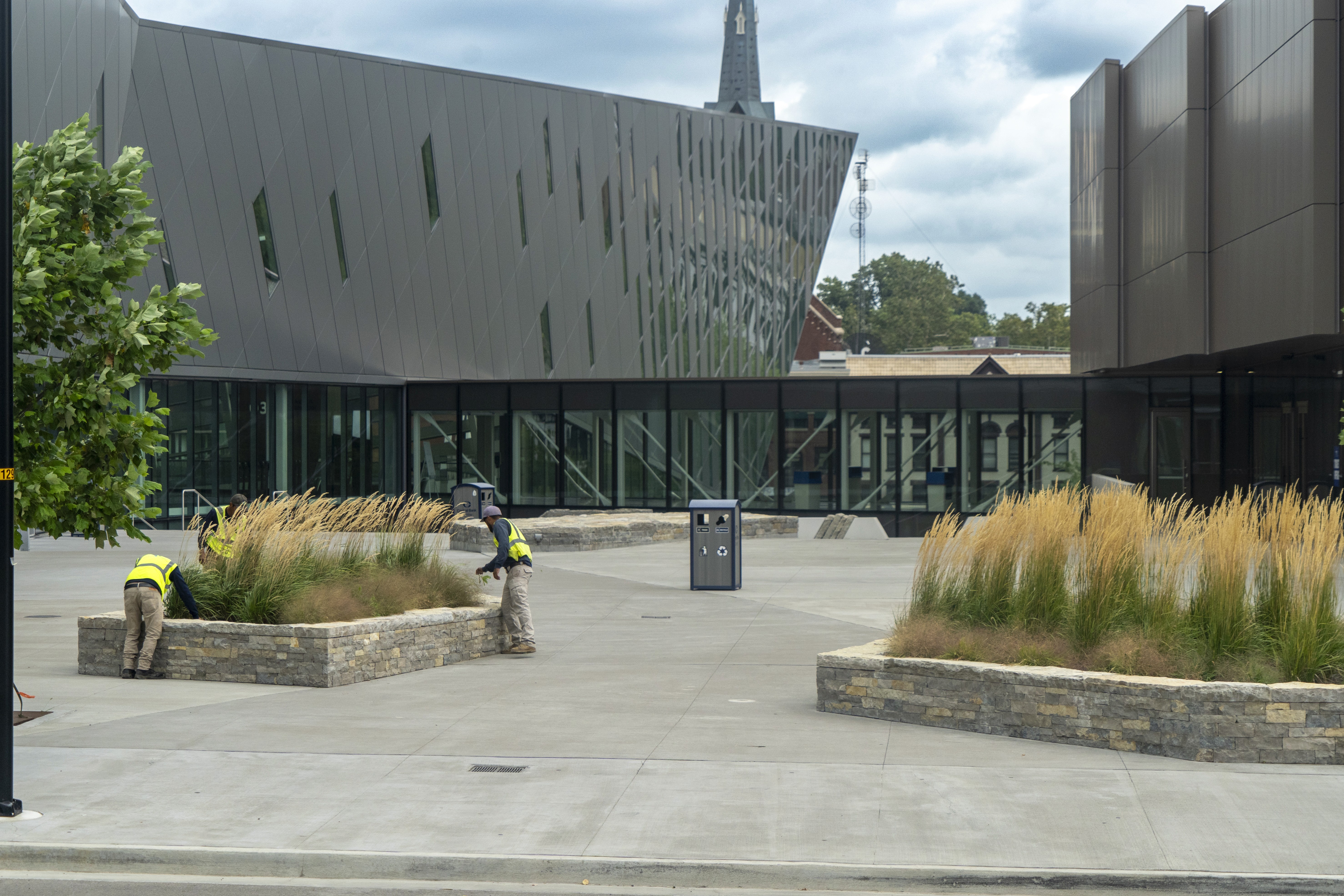
A strong March reset helps commercial sites look intentional again. Fresh bed lines, cleared debris, trimmed problem areas, and cleaner turf immediately make the property feel more cared for. That visual improvement matters on office properties, HOA communities, retail sites, industrial facilities, and multifamily developments where first impressions influence the overall perception of the space.
It Helps Prevent Small Problems From Growing
Spring maintenance is not just about making things look good. It is also about catching issues before they spread. Winter can leave behind drainage trouble, compacted turf, broken bed edges, salt stress, damaged curbs, and areas where weeds are ready to move in.
If these issues are not addressed early, the property often becomes reactive for the rest of the season. A March cleanup gives managers a chance to identify weak spots while they are still manageable.
Turf Health Starts With the Right Spring Foundation
Cool Season Grass Responds Quickly in Spring
Most commercial turf in Central Kentucky relies on cool season grasses like tall fescue and Kentucky bluegrass. These grasses naturally push active growth during the cooler parts of the year, especially spring and fall. The University of Minnesota lawn care calendar explains that cool season grasses grow rapidly in spring, which is why early maintenance decisions affect how the turf fills in, competes with weeds, and handles stress later on.
That means March is not too early to pay attention. In fact, it is often the best time to prepare turf for a stronger start. Cleaning up matted debris, reviewing thin areas, correcting edging, and getting mowing plans in place all support healthier spring performance.
Mowing and Detail Work Influence the Whole Season
Once growth begins, consistency matters. The University of Minnesota’s mowing guidance notes that proper mowing height and sharp mower blades support healthier lawns. For commercial properties, that translates into cleaner presentation and better turf density throughout the season.
A property that starts with sloppy edges, delayed mowing, or missed cleanup work often never looks fully dialed in, even after the grass greens up. Early detail work makes regular maintenance more effective from that point forward.
Landscape Beds Need Attention Before Growth Takes Off
Winter Debris Makes Beds Look Tired Fast
Landscape beds often show winter wear more than any other area of a commercial property. Leaves collect, mulch fades, edges soften, and dormant plant material can make entrances and common areas feel neglected. If that material is still sitting there as spring begins, the whole property looks behind.
Early bed cleanup helps restore structure before the season gets busy. Removing debris, redefining edges, cutting back problem growth, and preparing for mulch or seasonal enhancements makes everything feel cleaner and more finished.
Mulch and Bed Definition Improve the Entire Site
Even if turf is improving, weak beds can drag down the appearance of the property. March is the time to review where mulch has thinned out, where weeds may emerge, and where focal points need a refresh. Clean bed lines and dark, even mulch create contrast that makes entrances, signage, and foundation plantings look more polished.
This is one reason early spring maintenance sets the tone for the season. It gives the property a finished, maintained appearance before spring growth gets too far ahead.
Drainage and Site Conditions Need a Spring Check
Winter Often Reveals Water Problems
As snow melts and spring rains begin, drainage issues become a lot easier to spot. Water may collect in turf low spots, around curbs, near sidewalks, or in landscape beds that keep washing out. These are not just cosmetic problems. Poor drainage can affect turf health, create muddy areas, and increase long term site damage.
The EPA’s stormwater runoff overview explains how runoff from developed areas can create broader maintenance and water management issues when drainage is not functioning properly. On commercial properties, March is a key time to identify where runoff is pooling or moving incorrectly before repeated spring storms make those issues worse.
A Property Walk Can Catch Hidden Issues
This is the time to walk the site and look for clogged drains, soft areas, washouts, curb problems, and landscape zones that are not draining the way they should. In many cases, these issues tie directly into broader sitework and drainage improvements that need to be handled before the growing season is in full swing.
Weed Pressure Is Easier to Manage Early
Prevention Works Better Than Catch Up
One of the biggest advantages of early spring landscape maintenance is that it allows properties to get ahead of weed pressure before it spreads. Once weeds are visible across turf and beds, the property already looks less maintained and more labor is usually required to restore it.
As discussed in the University of Kentucky’s preemergence herbicide recommendations, timing is a major factor in preventing weeds like crabgrass before they germinate. That makes March one of the most important months for commercial properties trying to stay ahead of weed issues rather than reacting later.
Clean Sites Stay More Manageable
Properties that start spring with clean beds, trimmed edges, proactive weed control, and a defined maintenance plan almost always stay more manageable. The work compounds in a good way. Crews can maintain momentum instead of constantly correcting avoidable issues.
Why Waiting Until April or May Usually Backfires
A lot of commercial properties lose valuable time by waiting until everything is visibly growing again before taking action. On the surface, that may sound efficient. In reality, it often creates more work. Debris has built up longer, bed lines are softer, weeds are closer to taking hold, and early turf opportunities have already been missed.
That delay usually leads to:
• More cleanup labor once spring is fully underway
• Slower improvement in curb appeal
• Harder weed control and bed management
• Turf areas that stay behind the rest of the season
Early spring maintenance works because it gets ahead of the season instead of chasing it.
A Strong March Plan Creates a Better Season
For commercial properties, March is the transition point between winter survival and spring performance. It is when cleanup, edging, turf prep, bed attention, drainage review, and preventive treatments all begin shaping what the property will look like in the months ahead.
That is why early spring landscape maintenance sets the tone for the whole season. It improves first impressions, supports healthier turf, helps control weed pressure, identifies drainage problems, and gives the property a cleaner, more professional start before the rush of spring growth begins.
If your commercial property needs a spring reset, Green Solutions Landcare helps businesses, HOAs, and commercial sites across Central Kentucky build proactive maintenance plans that prepare landscapes for a stronger season from the ground up.


LOAD MORE