Spring Cleanup and Mulch Priorities for Commercial Properties in Lexington, KY
TLDR:
Spring cleanup is about more than making a property look better. It is the time to clear winter debris, refresh mulch, redefine bed edges, and catch damage before it turns into a bigger issue. For commercial properties in Lexington, a strong spring reset improves curb appeal, helps plant health, and makes the rest of the maintenance season easier to manage.
Spring Cleanup and Mulch Priorities for Commercial Properties in Lexington, KY
Why spring cleanup matters on commercial properties
Spring is when people start paying attention to a property again. Entrances, beds, turf edges, and common areas all become more noticeable as the weather warms up. For commercial properties in Lexington, spring cleanup is the point where winter wear starts showing itself. Leaves, broken branches, matted plant material, washed-out mulch, and rough bed lines can make the whole property feel neglected even if the lawn is starting to green up.
A proper cleanup also makes the rest of the season easier. When debris is removed early and bed lines are redefined, it becomes easier to maintain a polished look through spring and summer. It also helps crews spot drainage issues, winter damage, and weak areas that might otherwise get missed.
What should be included in a spring landscape cleanup?
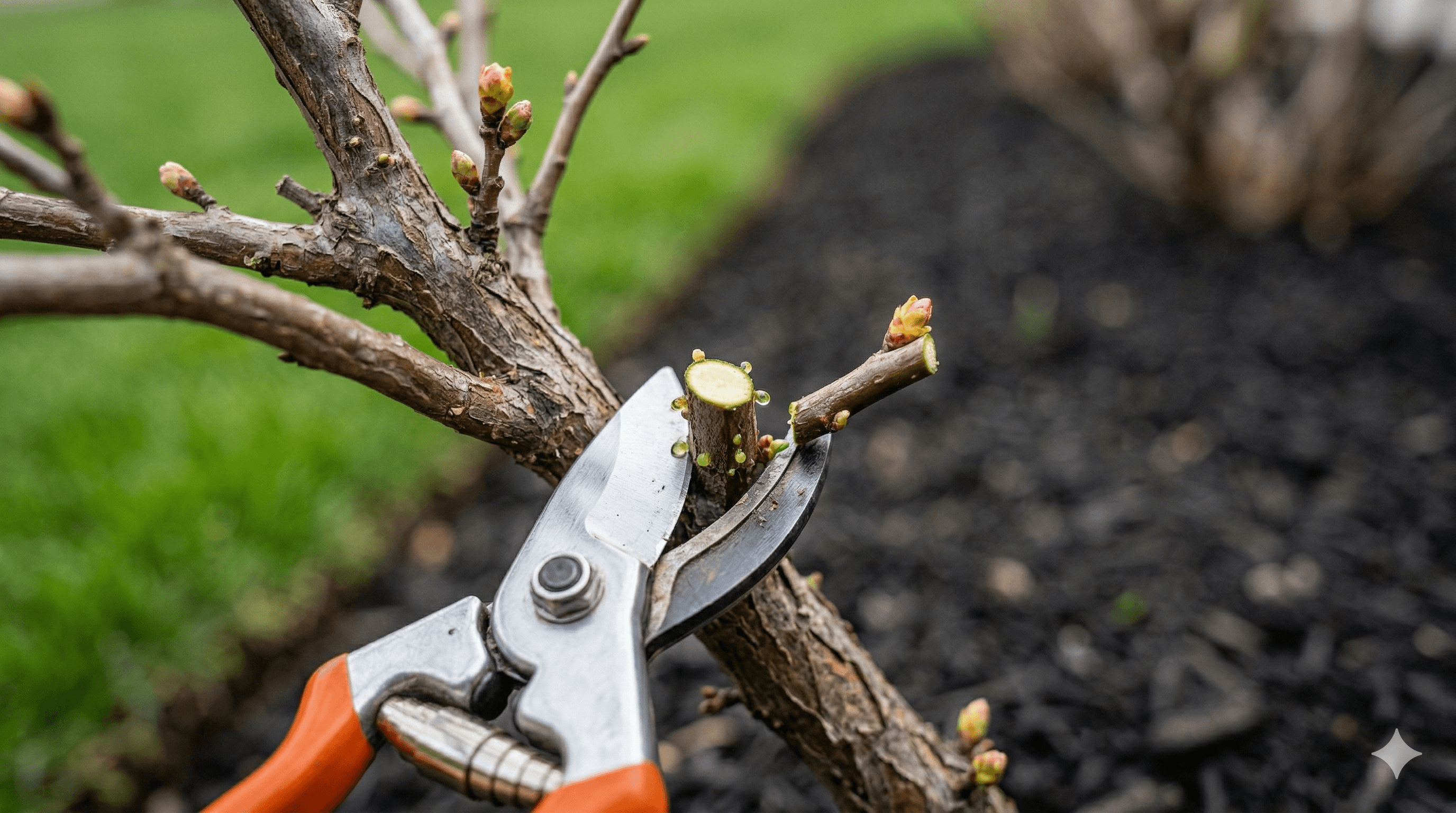
A good spring landscape cleanup usually starts with clearing out leaves, sticks, and leftover debris from beds, turf edges, and other visible areas. Perennial beds may need old material removed so new growth can come through cleanly. Shrubs and ornamental plants often need damaged or broken branches cut back. Entry features, islands, and high-visibility areas usually need the most attention first because they set the tone for the whole property.
For commercial sites, spring cleanup should also include checking turf edges, redefining bed lines where they have softened over winter, and looking for signs of washout, bare spots, or standing water. These small details make a big difference in how maintained a property feels at the beginning of the season.
When should mulch be refreshed?
Mulch usually needs attention in spring because winter weather tends to flatten it, fade it, or move it out of place. A refresh helps beds look cleaner and more intentional, but it also serves a purpose beyond appearance. Proper mulch helps conserve moisture, moderate soil temperature, and reduce weed pressure. Extension and arboriculture guidance commonly recommends about two to three inches of mulch in most landscape settings, with enough room left around trunks and stems so material is not piled directly against them.
For Lexington commercial properties, a spring mulch refresh is often one of the fastest ways to improve curb appeal. Dark, even mulch around healthy shrubs and clean bed lines gives a property a finished look right away. The key is not to overdo it. Too much mulch can create moisture and root issues, especially around trees and larger shrubs.
Do landscape beds need re-edging every spring?
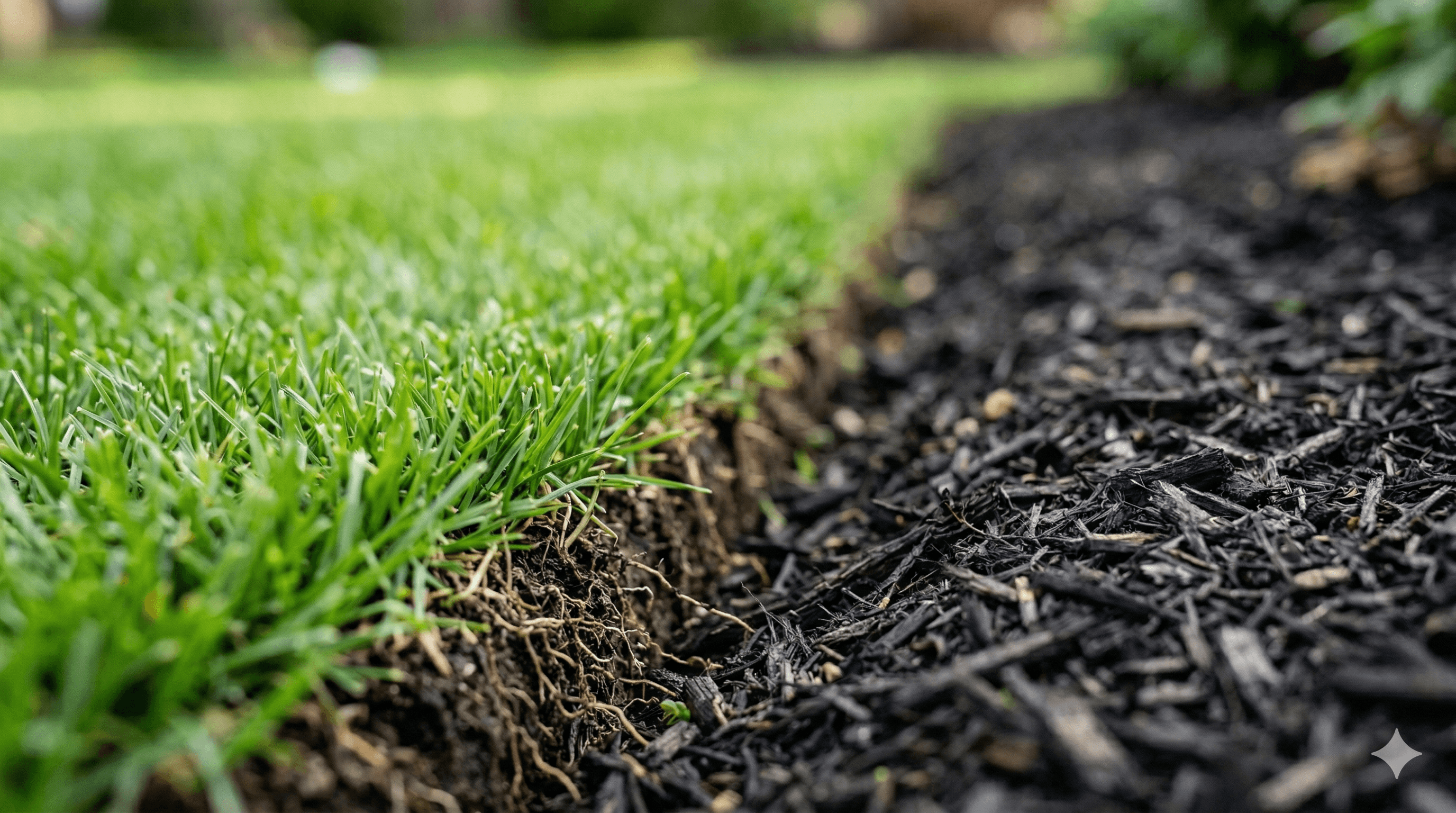
In many cases, yes. Bed edges tend to soften over winter from rainfall, freeze-thaw cycles, foot traffic, and routine wear. Even if the beds are technically still there, weak edges make the whole landscape look less defined. Re-edging in spring creates cleaner separation between turf and planting beds, makes mulch look sharper, and gives the property a more maintained appearance from the street.
This is especially important on commercial properties where first impressions matter. HOA entrances, retail sites, office buildings, healthcare campuses, and multi-family properties all benefit from strong visual lines. Re-edging is one of those details that people may not name directly, but they notice when it has been done well.
What winter damage should property managers check first?
One of the first things to check is broken, split, or dead wood on shrubs and small trees. Winter injury can show up as dieback, browned foliage, bark damage, or branches that simply never leaf out the way they should. University of Kentucky material notes that winter injury can happen in several ways depending on plant type and conditions, and extension guidance from other universities recommends waiting for spring growth to better assess the full extent of damage before making larger decisions on affected plants.
It is also smart to look for plants that were pushed up by frost heave, areas where mulch or soil washed away, low spots collecting water, and turf edges that took a beating from snow, salt, or winter traffic. On commercial sites, winter damage is not always dramatic. Sometimes it shows up as a property just looking uneven, thin, or tired compared to the rest of the site.
What should commercial properties fix first after winter?
The best place to start is with the most visible and highest-impact areas. Main entrances, monument signs, front beds, sidewalks, and gathering spaces should usually come first. From there, it makes sense to handle cleanup, bed definition, and any obvious pruning or damage correction before moving into broader seasonal enhancements.
This order matters because not every issue needs a major project. Sometimes the biggest improvement comes from doing the basics well. Clean beds, fresh mulch, trimmed damage, and crisp edges often make a property feel dramatically more cared for before any larger upgrades even begin.
Common spring cleanup mistakes
One common mistake is treating spring cleanup as just leaf removal. In reality, it should be viewed as a full reset of the property. Another mistake is adding fresh mulch without first correcting bed lines, removing debris, or addressing winter damage underneath. Some properties also end up with too much mulch, especially around trees, which can cause avoidable plant stress. Arbor Day guidance specifically warns against piling mulch against trunks, often called volcano mulching.
Another mistake is ignoring subtle problems early in the season. Weak drainage, washed-out areas, and damaged shrubs often become more expensive later if they are not noticed during the spring cleanup phase.
A better spring reset for Lexington commercial properties
A strong spring reset starts with cleanup, but it does not stop there. The best results come from clearing debris, checking for winter damage, redefining bed edges, refreshing mulch correctly, and prioritizing the parts of the property people see first. For commercial properties in Lexington, that approach helps protect appearance, improve plant health, and create a smoother path for the rest of the maintenance season.
If your property looks like winter never fully left, spring is the time to fix that. A thoughtful cleanup and mulch refresh can make a commercial landscape look sharper almost immediately while also preventing small issues from turning into bigger ones later in the year.


LOAD MORE