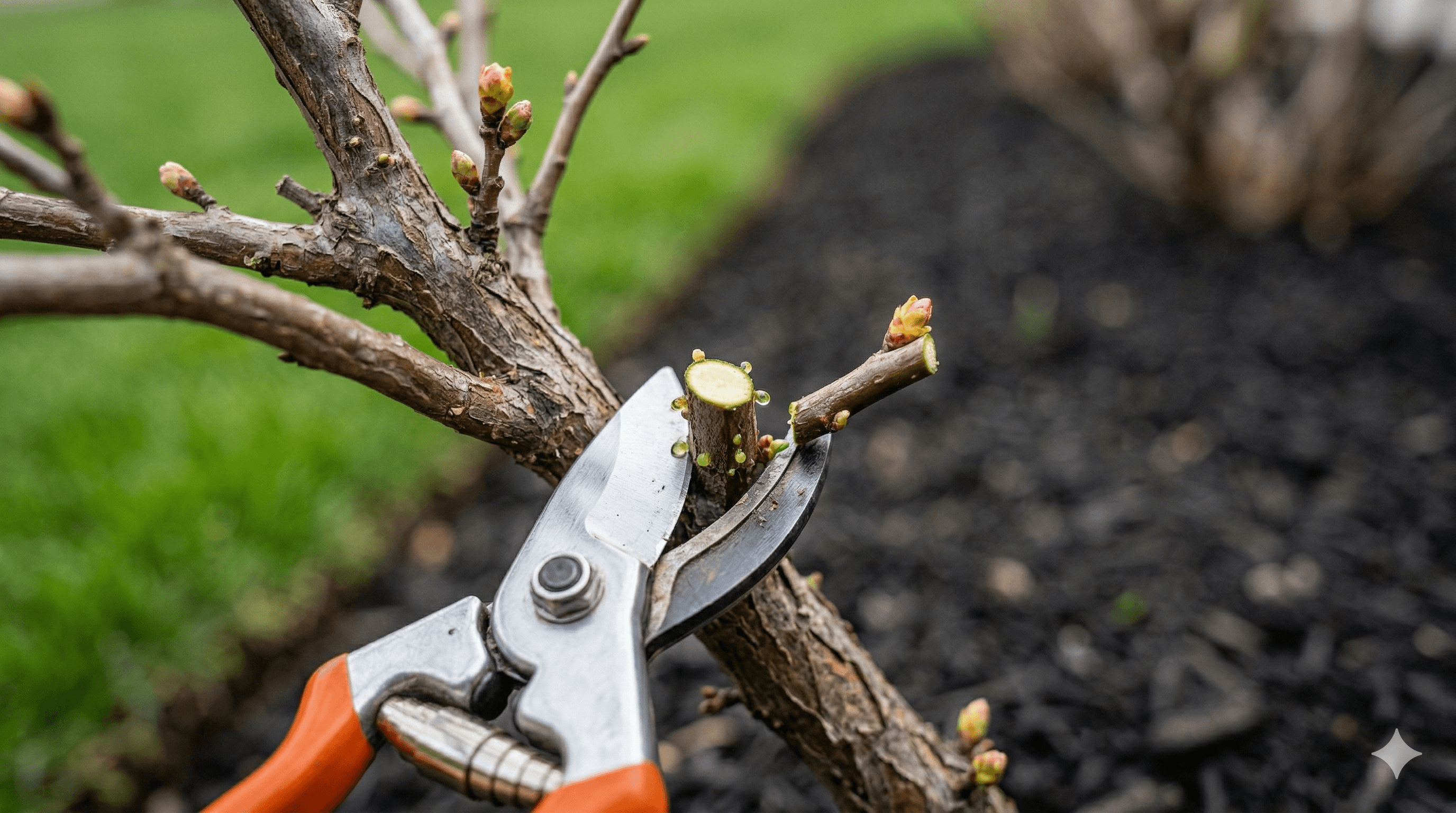
Spring Pruning Guide for Commercial Landscapes in Lexington, KY
TLDR:
Spring pruning can help commercial properties look cleaner and stay healthier, but timing matters. Some plants should be pruned in early spring, while others should be left alone until after they bloom. For Lexington properties, the goal is to improve appearance, remove damage, and avoid cutting plants at the wrong time.
Spring Pruning Guide for Commercial Landscapes in Lexington, KY
Why spring pruning causes so much confusion
Spring is when many commercial property managers start noticing overgrowth, winter damage, and plants that look uneven or worn down. The problem is that spring is also when a lot of pruning mistakes happen. Some shrubs respond well to pruning in early spring, while others lose their flowers or struggle later in the season if they are cut at the wrong time.
For commercial landscapes in Lexington, pruning should not just be about making plants smaller. It should be about plant health, appearance, safety, and shaping the property for the rest of the season. When pruning is done correctly, beds look cleaner, shrubs fill in better, and damaged growth gets removed before it turns into a bigger issue.
What shrubs can be pruned in spring?
Some shrubs can absolutely be pruned in spring, especially if they bloom on new wood or if they need dead, damaged, or broken growth removed. This is often the right time to clean up plants that took a hit over winter or have branches that are clearly not recovering.
The key is understanding the difference between spring-flowering shrubs and shrubs that bloom later in the season. In general, many spring-flowering shrubs should be pruned after they bloom, not before, because cutting them too early can remove the flower buds that already formed last year. That is one of the most common mistakes people make when trying to clean up a property too early.
On a commercial site, pruning in spring is often best used for selective cleanup, shape correction, and damage removal rather than aggressive cutbacks on everything at once.
What should not be cut back too early?
This is where a lot of well-intentioned spring work goes wrong. Shrubs that bloom early in the season often set their flower buds ahead of time, which means cutting them back too early can reduce or completely eliminate their spring display. That includes many ornamental shrubs used around entrances, signage, and foundation beds.
It is also smart to be cautious with plants that look rough coming out of winter. Some branches may appear dead at first, but they are just slower to break dormancy. Extension guidance often recommends waiting until new growth becomes clearer before making major cuts on questionable wood.
For commercial properties, it is better to prune with a purpose than to shear everything down just because spring has started.
Why are some shrubs struggling after winter?
Not every shrub that looks bad in spring has a pruning problem. Sometimes the issue is winter injury, moisture stress, poor drainage, or damage from freeze-thaw cycles. A plant may have dieback at the tips, patchy foliage, split stems, or branches that never fully leaf out. Those symptoms can make a shrub look neglected even if the rest of the bed is starting to green up.
This is why spring inspections matter. Instead of assuming a plant just needs to be cut back harder, it is worth checking whether the real issue is environmental stress, poor planting conditions, or actual winter damage .Pruning can improve appearance, but it does not solve every underlying problem.
How can you tell if trees or shrubs have winter damage?
Winter damage can show up in a few different ways. Dead branch tips, bark splitting, delayed leaf-out, and uneven growth are all signs that a plant may have struggled through winter. On commercial properties, winter damage often shows up first in exposed areas, around pavement, near salted walkways, or in spots where wind hits hardest.
One of the easiest mistakes is pruning too aggressively before you know what is actually alive and what is not. A better approach is to remove obviously broken or dead material first, then give borderline growth a little time if needed. That makes it easier to tell what should stay and what should go once the plant fully starts moving again in spring.
Common spring pruning mistakes on commercial properties
One common mistake is cutting spring-blooming shrubs too early and losing a full season of flowers. Another is using the same pruning approach on every plant across the property, even though different species respond differently. Over-shearing is another issue. It may create a quick uniform look, but it can also lead to weak outer growth and poor interior structure over time.
Another mistake is focusing only on size. Good pruning is not just about making a shrub smaller. It is about removing the right material, improving shape, reducing risk, and helping the landscape look intentional. The best commercial pruning work usually looks natural and clean, not hacked down.
A smarter spring pruning plan for Lexington commercial properties
A better spring pruning plan starts by identifying which plants need cleanup now, which ones should wait until after bloom, and which ones may be showing signs of winter stress instead of simple overgrowth. From there, pruning should focus on improving health, appearance, and structure without removing more than necessary.
For commercial landscapes in Lexington, this approach helps properties stay polished without sacrificing plant performance. It also prevents the kind of over-pruning that leads to thin blooms, stressed shrubs, and a landscape that never quite looks right through the rest of the season.
If your commercial property needs spring pruning that actually improves the landscape instead of setting it back, Green Solutions Landcare can help you clean things up the right way.


LOAD MORE