What HOA Boards Should Review Before Spring Landscape Season Starts
TLDR: HOA Spring Landscaping & Maintenance Checklist
Before the spring growing season begins, HOA boards must conduct a comprehensive site audit to ensure community safety, aesthetic consistency, and budget adherence. Effective spring preparation centers on five critical pillars: Turf Care, Mulching, Drainage, Safety/Liability, and Long-Term Planning.
Turf & Soil: Initiate pre-emergent weed control and soil testing to prevent invasive species and ensure nutrient density before the first growth flush.
Mulch & Curb Appeal: Schedule fresh mulch applications to regulate soil temperature and suppress weeds, maintaining the community's visual standards.
Drainage & Erosion: Inspect catch basins, swales, and downspouts for winter debris to prevent spring flooding and costly asphalt erosion.
Safety & Liability: Audit common areas for "hazard trees" (dead limbs), cracked walkways, and uneven turf that pose trip risks to residents.
Maintenance Planning: Review existing landscaping contracts to align service frequencies with the projected spring weather patterns and community budget.
Why Early Review Matters for HOA Communities
For HOA boards, spring landscape season starts long before the first mow crew shows up. By the time grass is growing fast and resident complaints begin rolling in, most communities are already behind. The most effective boards use late winter and early spring to review the property, identify weak spots, and make sure their landscape plan is ready before the season gets busy.
That matters because landscaping is one of the most visible parts of any neighborhood. Entrances, common areas, turf health, bed appearance, drainage, and seasonal color all shape how residents and visitors feel about the community. The Community Associations Institute regularly notes that landscaping is part of the essential common area maintenance responsibilities many associations fund through assessments, which means boards need to treat it as both a visual priority and a budget item.
A strong review process helps HOA boards avoid reactive decisions, emergency fixes, and mid season frustration. It also gives managers and vendors a clearer roadmap for keeping the property consistent through spring and summer.
Start With the Overall Property Appearance
Review Entrances, Common Areas, and First Impressions
The first step is looking at the neighborhood the same way a resident, guest, or prospective buyer would. Community entrances, monument signs, clubhouse areas, sidewalks, and shared green spaces usually create the first impression. If those areas still show winter wear, faded mulch, broken edges, or patchy turf, spring is the right time to address them before growth season is in full swing.
This is where boards should think beyond basic mowing. Clean edges, healthy turf, fresh beds, and tidy common areas send a message that the neighborhood is cared for. For communities trying to protect property values and resident satisfaction, that visual consistency matters.
Look for Winter Damage That Needs Attention
By the end of winter, many HOA communities have issues that are easy to miss from a distance. Curbs may be chipped, turf may be matted down, bed edges may be sloppy, and drainage areas may still be holding debris. Taking time to catch these issues early helps boards plan improvements before small cosmetic issues turn into larger repair costs.
Review Turf Health Before Spring Growth Accelerates
Identify Thin Areas, Bare Spots, and Weed Pressure
Cool season grasses common in Kentucky, such as tall fescue and Kentucky bluegrass, need a smart seasonal strategy to stay dense and attractive. The University of Kentucky Turfgrass program and the UK Turf Care Calendar for Cool Season Lawns both emphasize timing when it comes to turf health, weed pressure, and seasonal maintenance.
For HOA boards, that means reviewing common turf areas before spring growth takes off. Thin grass, compacted areas, recurring muddy spots, and places where weeds were a problem last year should all be noted now. It is much easier to build a proactive plan in early spring than to play catch up once the whole property is greening up.
Make Sure Mowing Expectations Are Clear
A lot of HOA frustration comes from unclear expectations around mowing frequency, edging quality, trimming detail, and cleanup standards. Spring is the time to review exactly what the landscape contractor is responsible for and what level of finish the board expects across the community.
That includes questions like:
• How often will mowing begin and increase through spring
• Are curbs, sidewalks, and sign areas included in regular edging
• How will clippings and debris be handled in visible common areas
A clean spring start depends on everyone understanding the scope before the busy season begins.
Check Landscape Beds and Seasonal Color Areas
Review Mulch Condition and Bed Definition
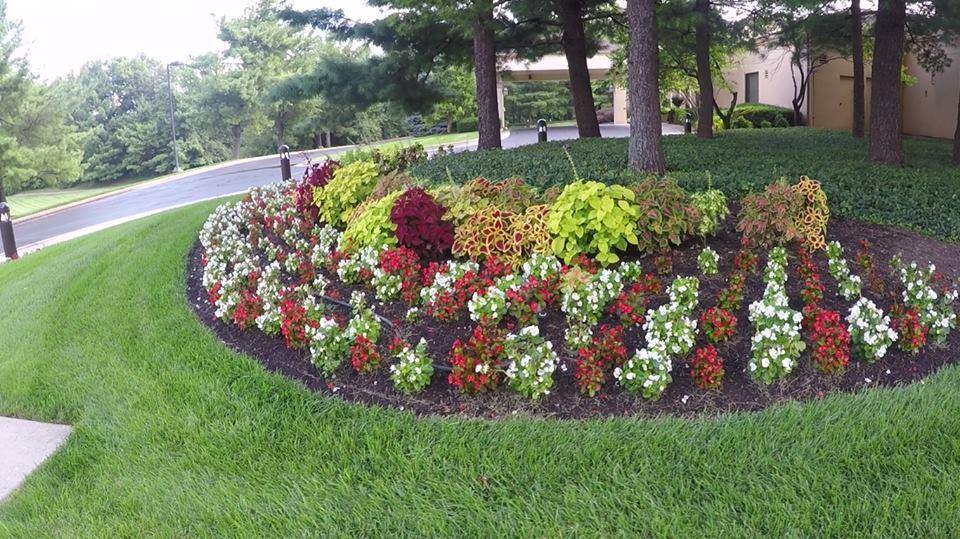
Landscape beds often take a beating over winter. Mulch fades, edges soften, weeds begin to emerge, and debris collects around shrubs and perennials. If HOA beds look weak going into spring, the whole neighborhood can feel less maintained even if the turf is improving.
Boards should walk the property and note where mulch has thinned out, where edges have disappeared, and where bed cleanup is needed. A fresh seasonal reset can make a major difference in appearance, especially at entrances, around amenities, and along community focal points.
Evaluate Plant Health and Appearance
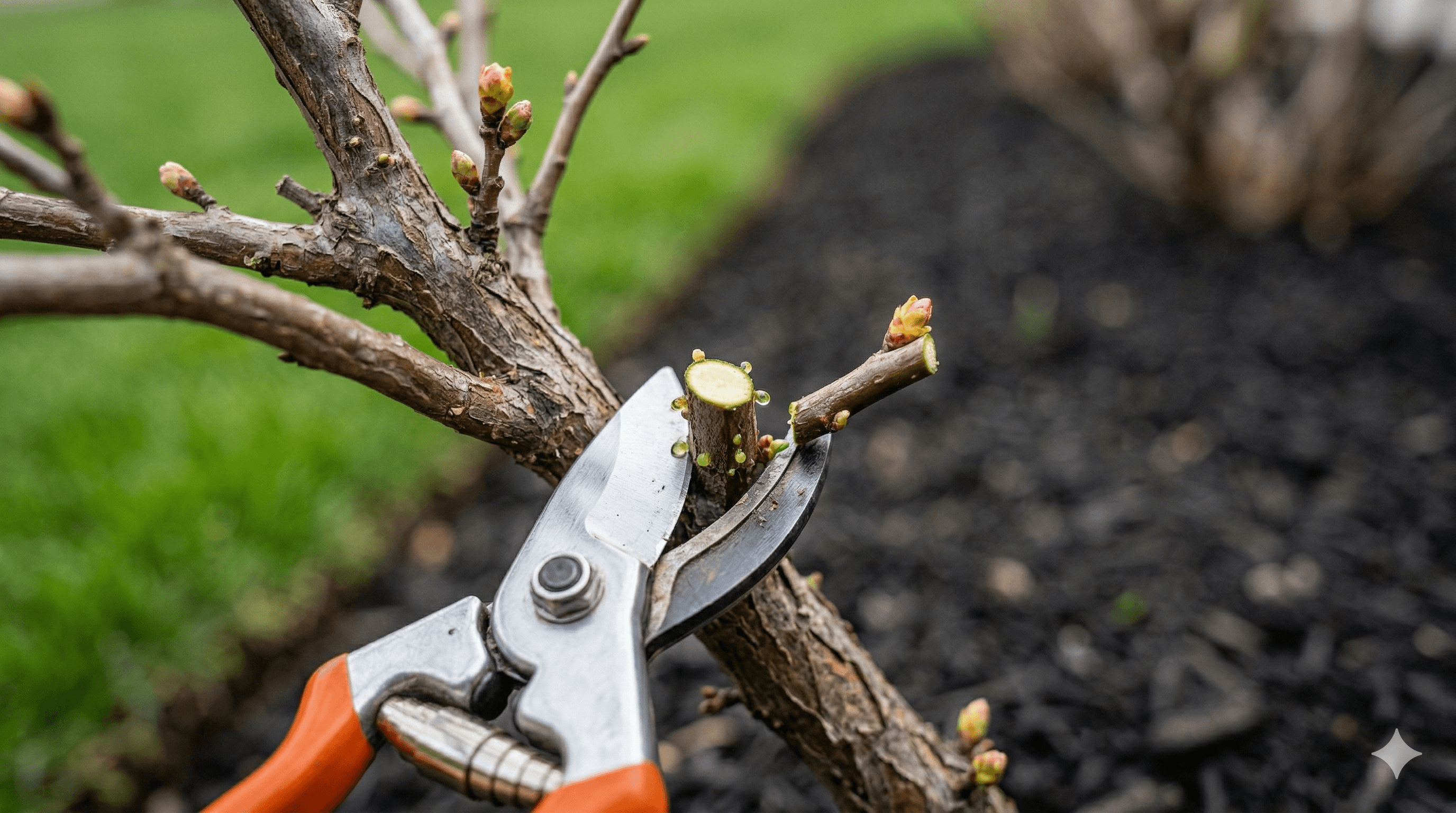
Spring is also the right time to look at shrubs, ornamental trees, and perennial areas. Some plants may have winter damage, poor shape, or decline that has been building for more than one season. If the community has overgrown plant material or beds that no longer fit the space well, this is the best time to discuss pruning, replacements, or redesign work before summer growth makes everything feel more overgrown.
Review Drainage and Water Movement Across the Property
Look for Areas That Stay Wet or Wash Out
One of the biggest mistakes HOA boards make is treating landscape appearance and drainage as separate issues. In reality, drainage problems often show up first in the landscaping. Turf thins out, mulch washes away, standing water forms near sidewalks, and low spots become muddy or damaged.
The EPA’s overview of stormwater runoff explains how runoff from paved surfaces and developed areas can carry sediment and create broader property problems when water is not managed well. For HOA communities, poor drainage can affect not just the look of the grounds, but also sidewalks, curbs, common turf, and resident safety.
Check Catch Basins, Swales, and Water Flow Paths
Boards should make sure common area drains, swales, curb lines, and runoff paths are clear and functioning as intended. If water has nowhere to go, spring rains will expose that quickly. This is especially important in neighborhoods with shared green space, retention features, or repeated washout areas.
In many communities, a spring property walk reveals that drainage improvements and sitework solutions need to be part of the conversation along with mowing and bed maintenance.
Review Safety and Liability Concerns
Sidewalks, Curbs, and Trip Hazards
Landscaping is not only about appearance. It also intersects with safety. Uneven sidewalks, broken curbs, hidden holes, low hanging branches, and slick drainage areas can all create liability concerns for HOA communities.
Spring is the ideal time to review these problem areas before outdoor use increases. Residents walk more, children play outside more often, and community amenities begin seeing more traffic. Boards that address hazards early are in a much better position than those waiting until complaints or incidents force action.
Visibility and Access Around Community Features
Trimmed sightlines also matter. Entrances, intersections, mailbox areas, signs, sidewalks, and amenity spaces all need to stay visible and accessible. Overgrowth near roads or community signs can create both appearance issues and safety concerns. A spring review should include these higher traffic areas so the community remains functional as activity increases.
Review the Budget Against the Actual Property Needs
Compare Contract Scope to Current Conditions
Every HOA board should review whether the current landscape contract actually matches what the neighborhood needs right now. Communities change over time. Plants mature, drainage problems develop, common areas wear differently, and resident expectations evolve.
That means last year’s service scope may no longer be enough. Spring is the right season to compare the current contract to the real condition of the property. If the neighborhood needs more detail work, better bed maintenance, updated enhancements, or stronger communication, it is better to address that before the season is fully underway.
Think Beyond Just Lowest Cost
Landscaping affects curb appeal, resident perception, maintenance efficiency, and long term property condition. Boards that focus only on the cheapest bid often end up frustrated with inconsistency, missed details, and reactive service. Reviewing quality, communication, responsiveness, and full scope value is usually more helpful than comparing price alone.
The Community Associations Institute reserve and funding resources also reinforce the importance of planning for common area obligations instead of relying on crisis decisions. While reserve studies cover broader capital planning, the same mindset applies here. Preventive thinking saves money and stress.
Make Sure the Community Has a Clear Spring Plan
Confirm Seasonal Services and Scheduling
Before spring gets busy, HOA boards should know what services are scheduled and when. That may include:
• Spring cleanup timing
• Mulch installation dates
• Pre emergent weed control applications
• Mowing start dates and projected frequency
• Bed maintenance and shrub pruning
• Enhancement or repair projects planned for common areas
When boards know the schedule up front, communication with residents becomes much easier and expectations stay more realistic.
Establish One Clear Point of Communication
Spring landscape season moves fast. Questions come up. Priorities shift. Weather changes the schedule. A clear communication process between the HOA board, community manager, and contractor helps everything stay organized. Without that, small service questions can turn into unnecessary confusion.
A Better Spring Starts With a Better Review
The best HOA communities do not wait until May to start paying attention to the landscape. They walk the property early, identify what needs attention, confirm the service plan, and make sure their contractor is aligned with the board’s expectations.
That early review helps communities look better, function better, and avoid unnecessary mid season issues. From turf care and bed maintenance to drainage and safety concerns, spring planning gives HOA boards a chance to lead instead of react.
If your community needs a fresh set of eyes before the season begins, Green Solutions Landcare works with HOA boards across Central Kentucky to review common area conditions, improve maintenance plans, and help neighborhoods start spring with a cleaner, more professional property.


LOAD MORE